Y2K Neon Circles and Semicircles: A Fusion of Retro Aesthetics and Digital Futurism
Understanding the Visual Language of Y2K Neon Circles and Semicircles
The resurgence of retro design motifs in digital media has brought forth a compelling blend of nostalgia and innovation. Among the most striking visual elements in this movement are Y2K Neon Circles and Semicircles—dynamic, luminescent forms that echo the boldness of 60s and 70s design while embracing the sleek, high-tech edge of cyberpunk culture. These shapes, often rendered in gradient neon hues and holographic overlays, create a sense of motion and depth that transcends traditional flat design.
At their core, these geometric elements are more than just decorative. They serve as visual anchors that guide attention, evoke emotion, and establish a futuristic tone. Whether used as background motifs, focal points, or interactive UI components, Y2K neon circles and semicircles bring a tactile, almost electric energy to digital compositions.
The Design Elements That Define the Y2K Neon Style
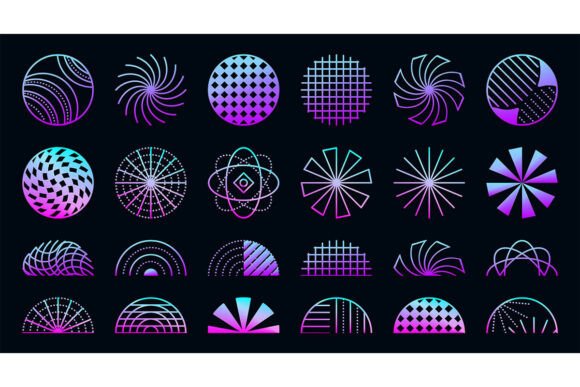
The Y2K neon set of circles and semicircles is characterized by a few key visual traits:
- Glossy concentric forms that mimic the glow of illuminated signage
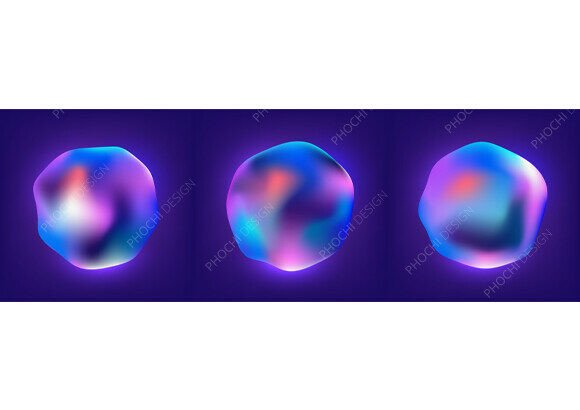
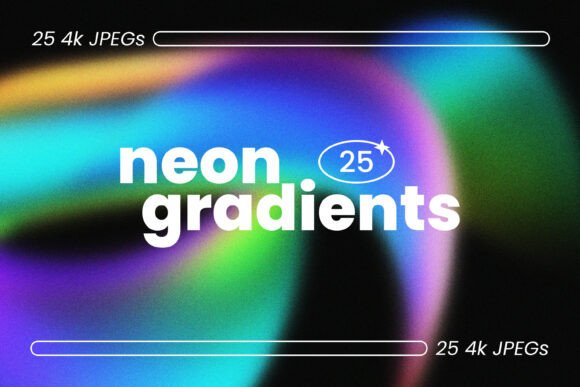
- Vibrant holographic gradients that shift with the angle of view
- Swirling, radial patterns that suggest movement and expansion
- Ultra-acid color palettes combining electric pinks, blues, and purples with deep blacks
These elements are often layered with subtle shadows, light flares, and semi-transparent overlays to enhance the illusion of depth and dimensionality. The result is a design language that feels both familiar and otherworldly—perfect for projects aiming to straddle the line between retro charm and digital innovation.
Practical Applications Across Creative Industries
Designers across multiple disciplines have found innovative uses for Y2K neon circles and semicircles. Below are some of the most impactful applications:
Graphic Design and Branding
Brands seeking to project a bold, youthful image often incorporate these shapes into their visual identity systems. From logo treatments to packaging designs, the use of neon geometric forms can convey a sense of energy, rebellion, and forward-thinking.
For example, music labels and fashion brands have used holographic neon elements in their brand kits to appeal to Gen Z audiences who value authenticity and aesthetic richness. The visual contrast between organic curves and sharp angles in these shapes allows for a wide range of expressive possibilities.
Web and UI Design
In digital interfaces, Y2K neon vector radial shapes are often used to highlight interactive elements such as buttons, loading animations, and hover effects. Their glowing appearance naturally draws the eye, making them ideal for guiding user attention without being intrusive.
Moreover, these elements can be integrated into responsive design frameworks, adapting seamlessly across devices. Designers often pair them with minimalist layouts to ensure that the neon effects don’t overwhelm the interface but instead enhance its usability and visual appeal.
Album Covers and Poster Design
Music and event posters have long been a canvas for experimental design, and the Y2K neon aesthetic fits perfectly within this context. The combination of swirling neon circles and semicircles with typography and abstract forms creates a dynamic, eye-catching composition that stands out both online and in print.
Album covers for electronic, synthwave, and alternative artists frequently incorporate these shapes to evoke a sense of nostalgia and futurism simultaneously. The result is a design that feels both timeless and of the moment.
Social Media and Digital Marketing
On platforms like Instagram, TikTok, and YouTube, visual consistency and attention-grabbing aesthetics are key. The Y2K neon set of circles and semicircles provides creators with a toolkit for crafting content that is both visually cohesive and emotionally resonant.
From animated story templates to branded stickers and profile graphics, these elements help creators build a distinctive visual voice. The holographic and gradient effects also perform well in video thumbnails and short-form content, where visual impact is crucial.
Why Y2K Neon Circles and Semicircles Are More Than a Trend
While many design trends come and go, the Y2K neon aesthetic has shown staying power, largely because it taps into a deeper cultural and emotional resonance. The retro-futuristic vibe speaks to a generation that grew up with analog technology but now lives in a digital world. It’s a visual bridge between eras, offering comfort through familiarity while exciting with its futuristic edge.
Furthermore, the versatility of neon circles and semicircles makes them adaptable to a wide range of contexts. Whether used subtly in a corporate branding package or boldly in a rave flyer, they maintain a consistent visual language that communicates innovation, creativity, and vibrancy.
Technical Considerations for Implementing Neon Geometric Elements
Designers looking to incorporate Y2K neon circles and semicircles into their projects should consider several technical and stylistic factors:
- File Format: Vector formats (like SVG or AI) are ideal for scalability, especially when used in web or print applications where resolution matters.
- Color Management: Neon colors can be tricky to reproduce consistently across devices. Using Pantone references or CMYK equivalents can help maintain color integrity in print.
- Layering and Blending: To achieve the glowing effect, designers often use layer blending modes like “Screen” or “Add” in software like Photoshop or Illustrator.
- Accessibility: While neon colors are visually striking, they can pose contrast issues for users with visual impairments. Designers should ensure that text and interface elements remain legible when placed over neon backgrounds.
Looking Ahead: The Future of Neon-Inspired Design
As design trends continue to evolve, the Y2K neon aesthetic shows no signs of fading. In fact, with the rise of metaverse platforms, NFT art, and immersive digital experiences, the demand for bold, luminescent visuals is growing. The Y2K neon set of circles and semicircles is well-positioned to become a staple in these emerging digital frontiers.
Future iterations may see these shapes integrated with 3D modeling, augmented reality filters, and even AI-generated design tools that allow for real-time customization. The key will be maintaining the balance between aesthetic appeal and functional design—ensuring that these elements enhance user experience without overwhelming it.
Conclusion: Embracing the Glow of Y2K Neon Design
In a digital landscape increasingly defined by minimalism and neutrality, the Y2K neon aesthetic offers a vibrant alternative. Whether through neon circles and semicircles, holographic gradients, or glowing radial effects, designers have a powerful visual language at their disposal—one that speaks to both the past and the future.
By understanding the characteristics, applications, and technical nuances of these elements, professionals across industries can harness their potential to create compelling, emotionally resonant work. As the line between digital and physical design continues to blur, the glow of Y2K neon will remain a guiding light in the world of creative expression.