Understanding the Power of Isometric Icon Sets in Modern Design
Isometric icon sets have become a cornerstone in modern design, especially in the realms of business, technology, and lifestyle visualization. These icons offer a unique three-dimensional perspective while maintaining a flat design aesthetic, making them both visually appealing and functionally effective. Whether you're designing an app interface, creating an infographic, or building a presentation, isometric icons can elevate your visual storytelling and enhance user engagement.
What Are Isometric Icons?
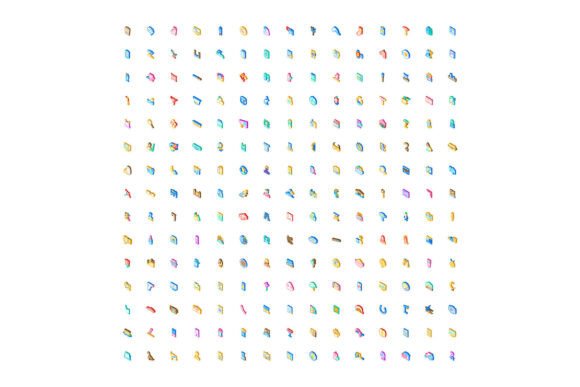
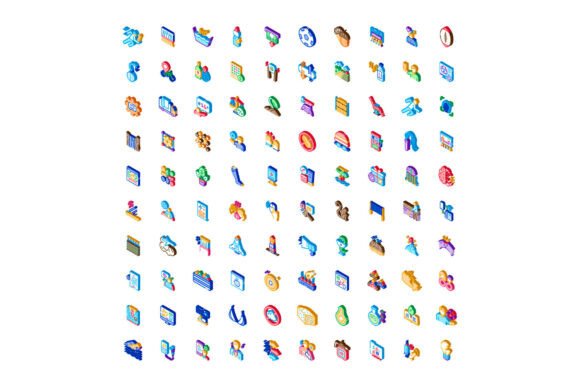
Isometric icons are a type of 3D illustration drawn using parallel projection, giving the illusion of depth without the complexity of true perspective. Unlike traditional 3D graphics, isometric designs maintain a consistent scale across all axes, making them ideal for scalable and cohesive visual systems. This style is particularly popular in digital design because it strikes a balance between realism and simplicity.
These icons are typically part of larger sets that cover a wide range of themes, including business, web, lifestyle, and modern life. An isometric icon set may include representations of people, devices, buildings, and abstract concepts, all designed to work together seamlessly within a unified visual language.
Visual Clarity and Consistency
One of the main advantages of using an isometric icon set is the level of consistency it brings to a design. Because all icons follow the same perspective and style, they create a harmonious visual experience. This consistency is especially important in large-scale projects like websites, mobile apps, and data visualizations, where maintaining a uniform design language is key to user comprehension.
Enhanced Storytelling and Engagement
Isometric icons are more expressive than flat icons, allowing designers to convey complex ideas and narratives more effectively. For example, a single isometric icon can illustrate a person working on a laptop, a delivery truck moving packages, or a group of people collaborating in a meeting room. These visual cues help users understand context quickly and intuitively.
Scalability and Adaptability
Because isometric icons are vector-based, they can be scaled to any size without losing quality. This makes them ideal for responsive web design and multi-platform applications. Whether displayed on a smartphone screen or a large billboard, isometric icons retain their clarity and visual appeal.
Business and Finance
In the business world, isometric icons are used to represent data, workflows, and organizational structures. For instance, a financial dashboard might use isometric icons to depict income streams, expenses, and investment portfolios. These icons help users quickly interpret complex financial data without the need for lengthy explanations.
Education and E-Learning
Educational platforms often use isometric icons to make learning materials more engaging. Whether illustrating a science concept, a historical event, or a mathematical formula, these icons can simplify abstract ideas and make them more accessible to learners of all ages.
Travel and Tourism
Travel websites and apps benefit greatly from isometric icons, which can represent destinations, activities, and transportation methods in a visually appealing way. A single icon set might include airplanes, hotels, landmarks, and outdoor activities, all designed to help users navigate travel options with ease.
Technology and Web Design
In the tech industry, isometric icons are commonly used in user interfaces to represent features, settings, and functions. They are especially useful in SaaS (Software as a Service) platforms, where intuitive navigation is essential for user retention. Additionally, isometric icons are often used in landing pages and marketing materials to showcase product features in a visually compelling manner.
Infographics
Infographics rely heavily on visual storytelling to convey information quickly and effectively. Isometric icons add depth and realism to these visuals, making them more engaging and easier to understand. Whether presenting statistics, timelines, or process flows, isometric icons can help break down complex data into digestible visual elements.
Mobile and Web Apps
Modern apps require intuitive and visually appealing interfaces. Isometric icons provide a modern aesthetic that enhances usability and user satisfaction. For example, a productivity app might use isometric icons to represent tasks, calendars, and reminders, while a health and fitness app could use them to depict workouts, meals, and progress tracking.
Consider the Theme and Purpose
When selecting an isometric icon set, it's important to consider the theme and purpose of your project. If you're designing a business-related app or website, look for icons that represent meetings, data analysis, and collaboration. For lifestyle or travel projects, choose icons that reflect activities like dining, hiking, or exploring cities.
Check for Consistency and Quality
Not all icon sets are created equal. Look for sets that offer consistent line weights, color palettes, and perspective angles. High-quality icon sets are usually well-organized and come with documentation that explains how to integrate them into your design workflow.
Ensure Scalability and Compatibility
Make sure the icon set you choose is compatible with your design tools and platforms. Most isometric icon sets are available in vector formats like SVG or AI, which allow for easy customization and scalability. If you're working with a web or app development team, confirm that the icons can be easily integrated into code-based environments.
Common Misconceptions About Isometric Icons
Despite their popularity, there are some misconceptions about isometric icons that are worth addressing:
- They are difficult to create. While designing isometric icons from scratch requires some skill, many pre-made sets are available that can be easily customized.
- They are only for tech or business projects. Isometric icons are versatile and can be used in any design that benefits from a 3D perspective, including personal blogs, portfolios, and social media graphics.
- They are outdated. On the contrary, isometric design has evolved and remains a popular choice for modern UI/UX design due to its balance of depth and simplicity.
Conclusion: Embracing the Future of Visual Design
Isometric icon sets are more than just a design trend—they are a powerful tool for enhancing visual communication across a wide range of industries. Whether you're a designer, developer, educator, or business professional, incorporating isometric icons into your work can help you create more engaging, intuitive, and aesthetically pleasing content.
As digital design continues to evolve, isometric icons will likely play an even bigger role in how we present information, tell stories, and connect with audiences. By understanding their purpose, benefits, and applications, you'll be better equipped to leverage this versatile design element in your next project.